In the Age of AI, Do Children Still Need One-on-One Human Tutors?
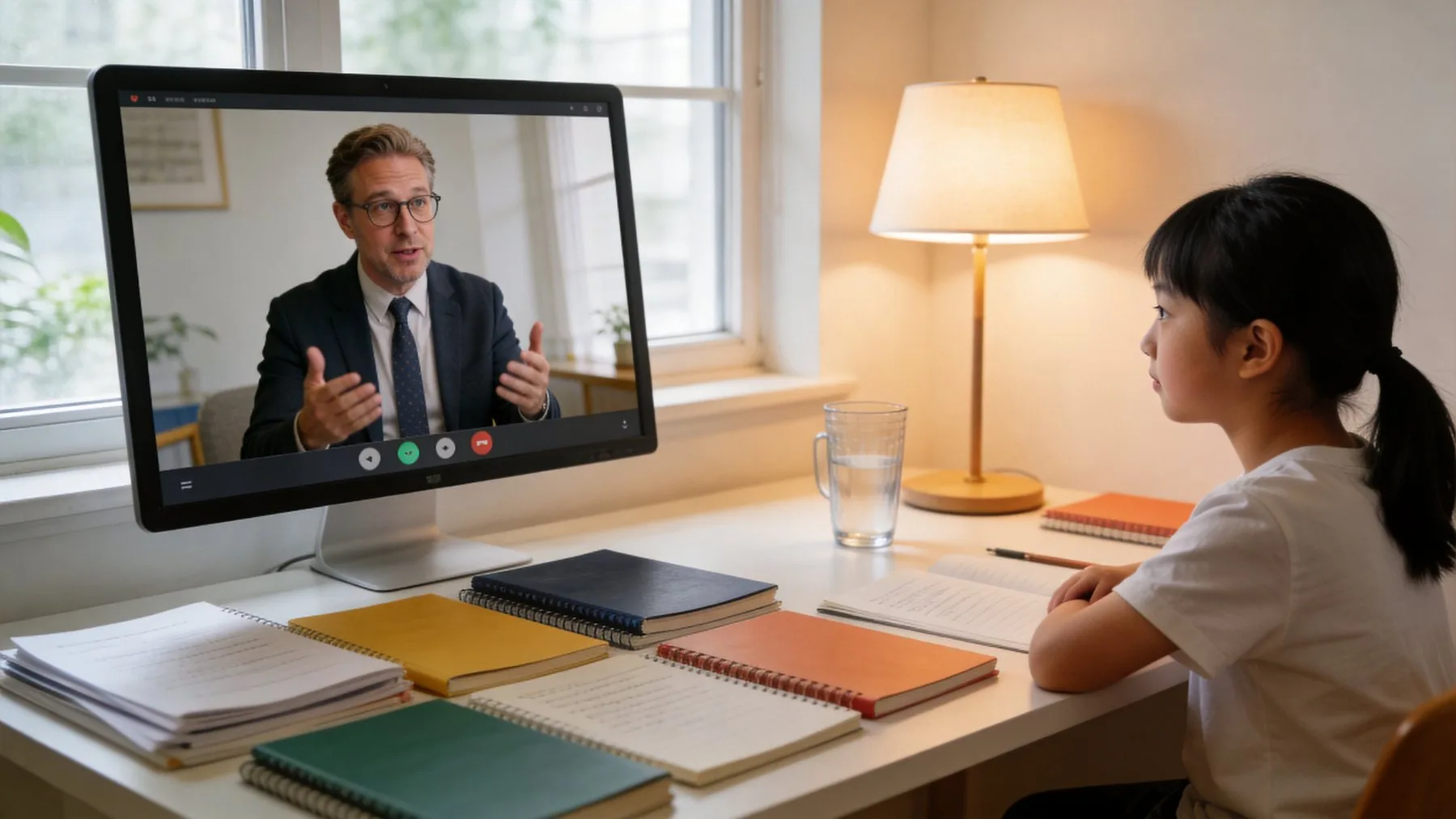
Many parents are asking the same question: if AI can help children practise English, correct essays, explain grammar, and answer questions instantly, do children still need a real teacher?
AI is a useful learning tool. It can generate practice materials, check basic mistakes, and support daily review. But if the goal is not simply to finish an exercise, but to help a child speak with confidence, think clearly, and use English in real academic and social situations, human one-on-one tutoring is still essential.
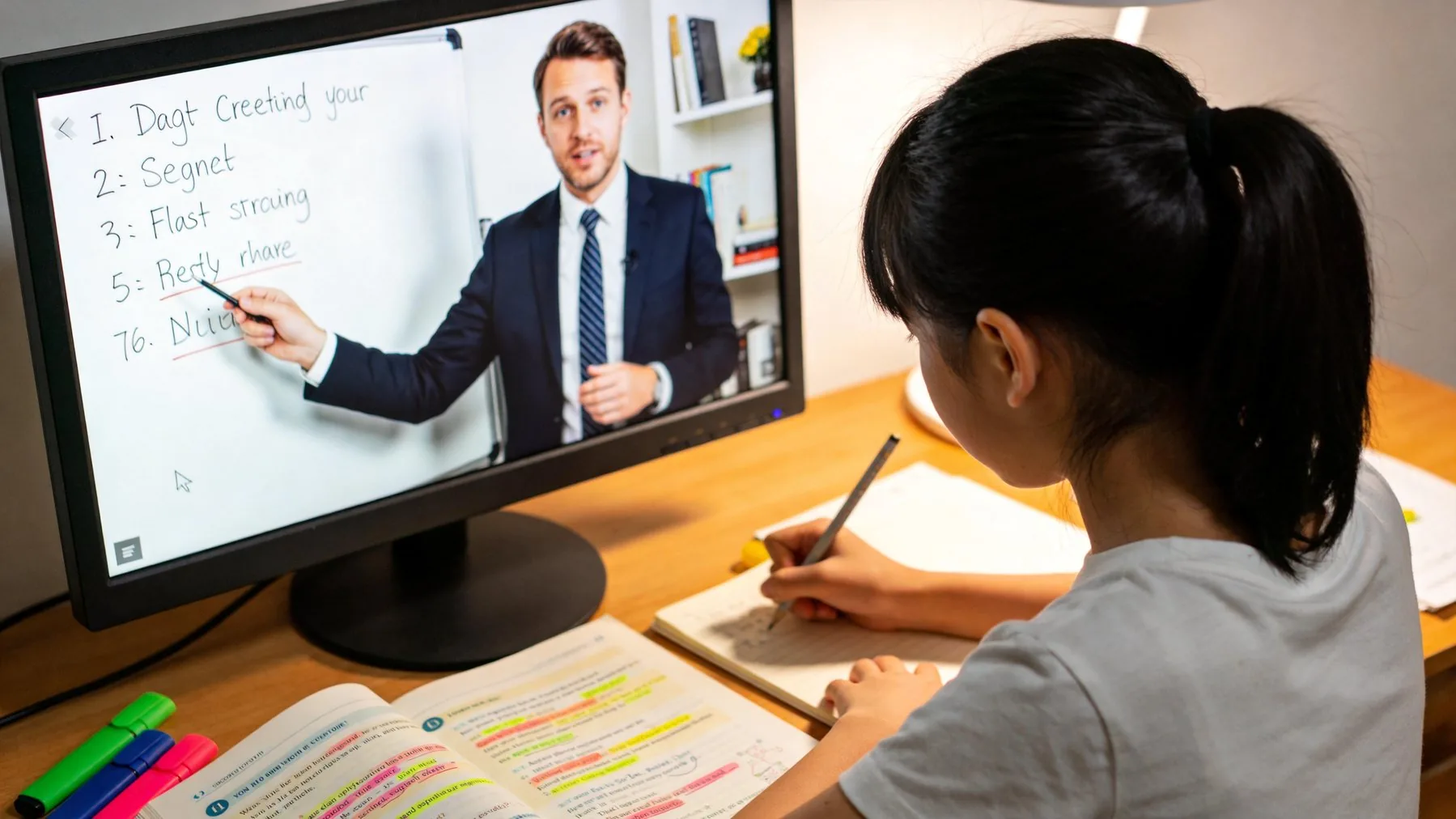
When children struggle with English, the problem is often not just vocabulary or grammar. They may know the answer but feel afraid to say it. They may write correct sentences that still sound unnatural. They may understand a question but not know how to expand their response.
AI can identify some surface-level issues. A good teacher can understand the child behind the answer. Teachers notice hesitation, confidence, tone, facial expressions, and learning habits. They can adjust the lesson in real time, ask better questions, and encourage the student at the right moment.
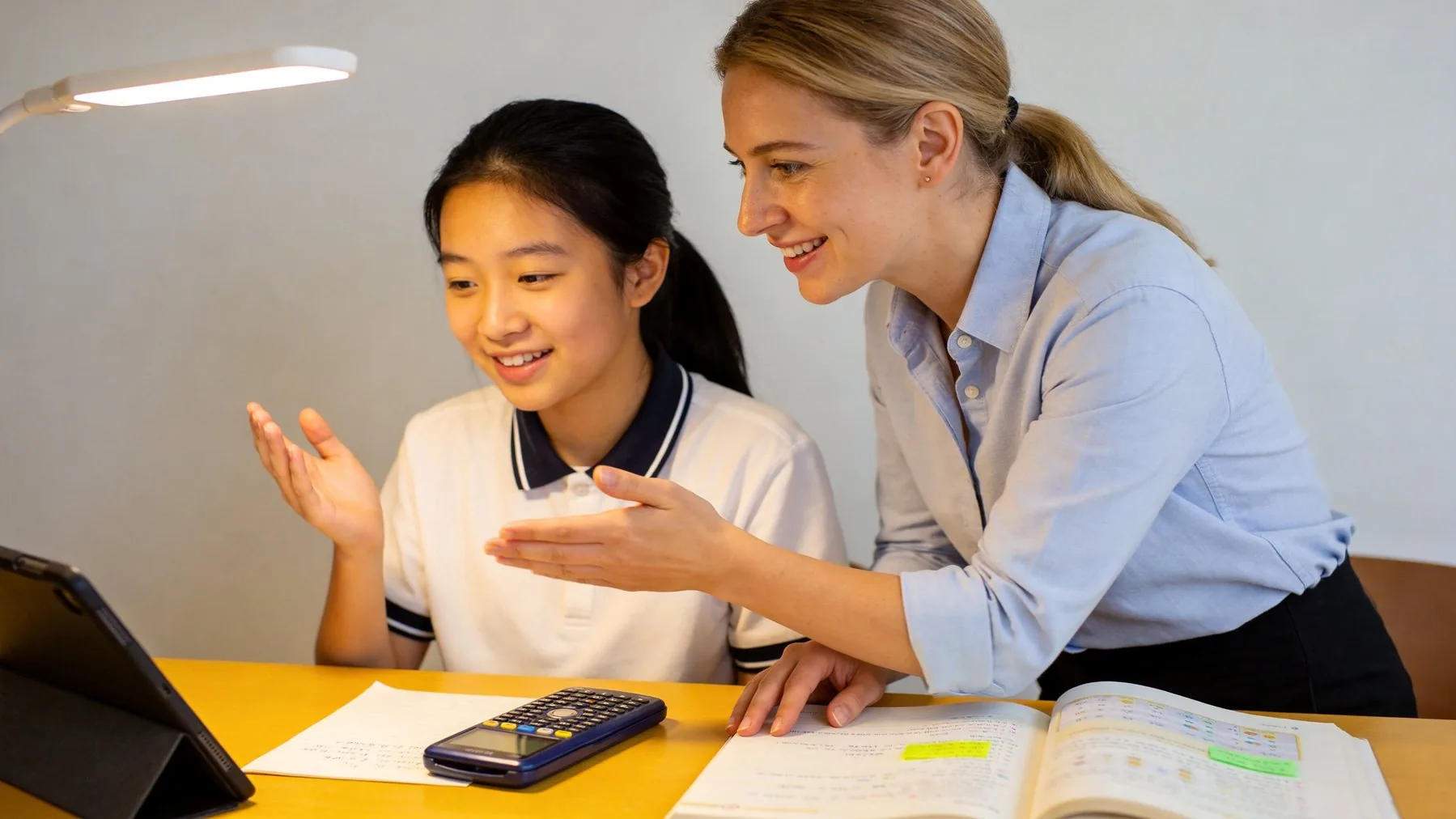
Language learning is human communication. Many students, especially those from test-focused systems, are used to answering questions but not holding real conversations. One-on-one tutoring gives them a safe, consistent, and personalised English environment where the whole lesson is built around their level, interests, and goals.
AI and human teachers do not need to compete. AI can support review and practice. A teacher builds confidence, fluency, academic thinking, writing structure, and long-term progress.
That is the value ExpatTeaching aims to provide: not just another class, but a learning path that helps children become more confident, expressive, and capable of using English in real situations.
In the age of AI, children can certainly use AI. But the more tools we have, the more important it becomes to have thoughtful teachers who understand education, communication, and the child as a whole person.